
Architectural Evolution: Migrating from WordPress to Static Site Generation (Publii)
Site Migration
Company: Personal Project
Successfully executed a strategic migration from a dynamic WordPress CMS to a static Publii architecture. This shift resulted in a 75% reduction in server-side resource usage and a hardened security posture, maintaining a zero-vulnerability surface at the edge.
The Decision: Beyond the CMS
While WordPress is the industry standard for content management, it often comes with significant trade-offs in security overhead and resource consumption. To optimize my digital showcase, I decided to transition from a dynamic PHP/MySQL-based environment to a Static Site Generation (SSG) model using Publii.
Why I Migrated
The primary drivers for this architectural shift were:
Attack Surface Reduction: WordPress sites are frequent targets for SQL injections and PHP exploits. By migrating to static HTML/CSS, I effectively eliminated the server-side database and executable code from the public-facing environment.
Performance Gains: Static files are served instantly. This migration removed the need for server-side rendering, drastically lowering CPU usage on my Proxmox host and improving PageSpeed scores.
Version Control & Integrity: With Publii, the "source" of the site lives locally, allowing for offline editing and robust backup workflows before deploying the finalized assets to the production server.
The Technical Execution
Custom Theme Development: I didn't just use an out-of-the-box template; I customized a Publii theme to align with my professional brand while maintaining a "mobile-first" responsive design.
Asset Pipeline: Reorganized the media library and optimized images to ensure the site remains lightweight without sacrificing visual quality.
Infrastructure Synergy: The migration allowed me to simplify my Nginx Reverse Proxy configurations, as I no longer needed to manage complex caching rules for dynamic content.
Impact Analysis
Key Expertise Demonstrated
Strategic Migration: Planning and executing data transitions between disparate platforms.
Frontend Optimization: CSS/HTML customization and asset minification.
Modern DevOps: Shifting toward "Security by Design" and performance-oriented infrastructure.
You should also read:
Automated Print Cost Recovery & Client Billing Integration
Print-to-Profit Solution
Company: Gold Business Technologies Ltd.
In professional services environments (particularly legal and consulting firms), printing, copying, and scanning costs represent a significant expense. Recovering these costs from clients—by accurately allocating usage to specific matters, clients, or departments—was historically manual, inconsistent, and prone to under-billing or disputes.
Continue reading...
Moneris Payment Gateway Integration for Online Invoice Payment
Drupal-Based Solution
Company: Gold Business Technologies Ltd.
Customers increasingly requested secure, non-PayPal options for paying invoices online. To meet this demand, the company selected Moneris as the payment processor. However, integrating Moneris into the existing infrastructure presented significant technical challenges due to an outdated website and legacy systems.
Continue reading...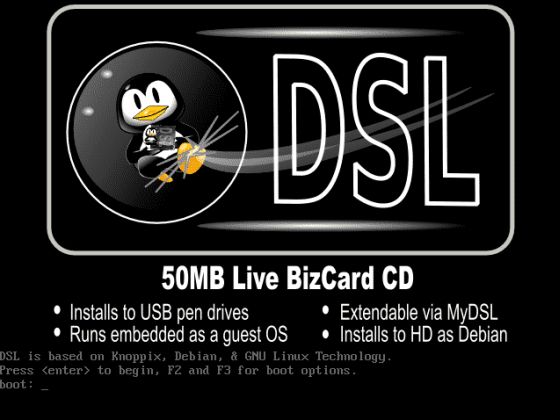
Lottery Terminal Field Update & Rescue Toolkit
Custom Live Linux Distribution
Company: NCR Canada Ltd.
In the era before widespread high-speed internet, updating lottery terminal firmware or gaming software was extremely inefficient. Terminals used slow 1200 baud modem connections (often taking days for transfers), and the alternative—shipping specialized USB jump drives with EXT filesystem images—was costly, logistically complex, and incompatible with standard Windows systems.
Continue reading...